Client Logbook for KDP Authors
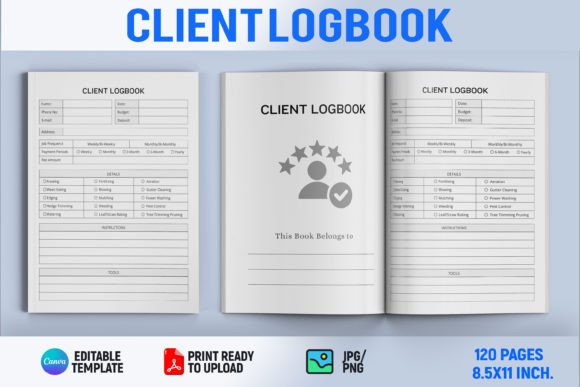
If you're a self-published author on Kindle Direct Publishing (KDP), you know how important it is to have a professional and visually appealing book interior. But what if you could save time while still maintaining a high-quality design? That's where the Client Logbook Canva Editable KDP Interior Template comes in. This template is more than just a design tool—it's a practical solution that can help you streamline your publishing process and focus on what really matters: your content.
Whether you're new to KDP or have been publishing for years, this template offers a flexible and user-friendly approach to creating your book's interior. It's designed with both beginners and experienced authors in mind, making it a valuable resource for anyone looking to improve their publishing workflow.
Real-World Applications of Client Logbook
The Client Logbook isn't just for writers. Think about professionals in various industries who need to keep track of client interactions, project details, or service records. For example, a freelance graphic designer might use a logbook to document conversations with clients, note project milestones, and track deliverables. A consultant could use it to record meeting notes, follow-up actions, and key insights from each session.
In the context of KDP, the Client Logbook can serve as a digital notebook for authors who want to organize their thoughts, track feedback, or maintain a record of their publishing journey. It's especially useful for those who work with editors, designers, or marketing teams, as it allows for clear communication and documentation of all steps taken during the publishing process.
How Different Users Benefit
For a first-time author, the Client Logbook can be a game-changer. It helps them stay organized by providing a structured format for recording important details, such as when they submitted their manuscript, what edits were made, and when they received final approval. This level of organization can reduce stress and make the publishing process feel more manageable.
Seasoned authors, on the other hand, might appreciate the template's ability to adapt to different genres and formats. Whether you're writing a memoir, a business guide, or a fiction novel, the Client Logbook can be customized to fit your specific needs. The flexibility of the template means you can use it across multiple projects without having to start over each time.
Another group that could benefit from the Client Logbook is indie publishers who manage multiple authors or books. By using a consistent format, they can ensure that all their publications maintain a professional look and feel, which is essential for building a brand and gaining reader trust.
Practical Examples and Observations
Let's say you're working on a nonfiction book about productivity. You might use the Client Logbook to track interviews with experts, note down key takeaways from research, and organize your outline. This not only keeps your information in one place but also makes it easier to reference later when you're writing or revising your content.
Or imagine you're collaborating with a cover designer. Using the Client Logbook, you can document all the discussions, feedback, and changes made throughout the design process. This ensures that both you and the designer are on the same page and reduces the chances of miscommunication or missed deadlines.
Even in a more casual setting, like a writer's group or a local book club, the Client Logbook can be a helpful tool. Members can use it to track their progress, set goals, and share insights with others. It becomes a personal journal that supports creativity and accountability.
Considerations Before Using Client Logbook
Before jumping into using the Client Logbook, it's important to consider how it fits into your current workflow. If you're already using a digital planner or a note-taking app, you'll want to assess whether the Client Logbook adds value or simply duplicates what you're already doing.
Also, think about the level of customization you need. While the Client Logbook offers a range of design options, some users may prefer a more rigid structure. Others might find the flexibility overwhelming. It's all about finding the right balance between ease of use and personalization.
Finally, consider the long-term benefits. Will the Client Logbook help you grow as an author or publisher? Does it support your goals, whether that's increasing your output, improving your organization, or enhancing your professional image?
Strengths and Limitations
The Client Logbook shines in its simplicity and adaptability. Its clean layout makes it easy to navigate, and the ability to edit every element—fonts, colors, layouts—gives you full control over the final product. This is especially beneficial for authors who want to maintain a consistent brand identity across their publications.
However, it's worth noting that the Client Logbook is primarily a design tool. While it helps with formatting and visual appeal, it doesn't replace the need for strong writing, editing, or marketing strategies. It's a supportive tool, not a substitute for the core elements of successful publishing.
Additionally, while the template is beginner-friendly, some users may find the learning curve steeper than expected. If you're not familiar with Canva or similar design platforms, you might need to spend some time exploring the interface before you can fully utilize the Client Logbook.
Why Choose the Client Logbook Template
The Client Logbook Canva Editable KDP Interior Template is more than just a design file—it's a practical resource that empowers authors to take control of their publishing journey. It saves time, enhances professionalism, and provides a customizable platform for organizing your work. Whether you're writing your first book or expanding your publishing portfolio, this template can help you achieve your goals with confidence and clarity.